
Empowering Inclusion Through Virtual Clinical Trial Education
Community Abstract
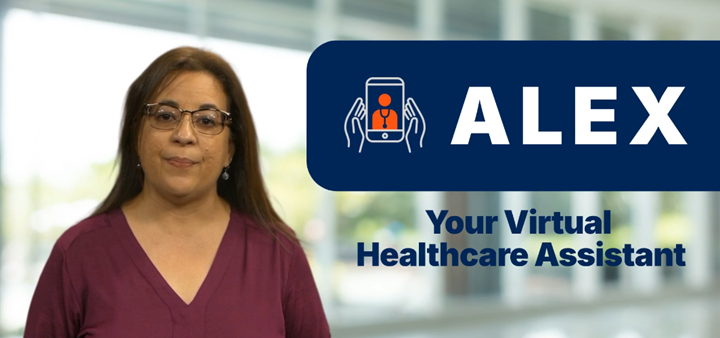
Our study sought to tackle the persistent underrepresentation of older adults in U.S. clinical trials. Understanding the obstacles encountered by these groups, we explored how web-based education, augmented by Virtual Humans (VHs), could foster stronger connections and engagement through relational communication. To guide our approach, we drew on Optimal Matching Theory and the Bonding-Bridging Social Capital Continuum framework. These helped us investigate how VHs could assist older women receive social support, reliable information, and make meaningful connections overall. We identified effective communication strategies through 10 in-depth interviews, 3 focus groups, and a thematic analysis of comments from 37 participants representing various backgrounds. These included emotional support, self-esteem building, social networking, getting information, and getting help with real problems. We also paid special attention to the context, like how comfortable the participants were with technology, their health, and how familiar they were with clinical research, which all affected how they interacted with VHs. What we discovered was promising: VHs can foster trust and comfort, tailor instructional experiences, and ultimately enhance participation in clinical trials across populations who have been historically underrepresented.

Contributions
The study delineates communication strategies for virtual humans (VHs) within educational contexts.
It highlights the importance of cultivating positive relationships with older women in the context of clinical trials.
The study presents an integrated framework for VH educators.
It emphasizes the significance of social support and credibility in communication.
Original Article
Bryan, E. G., Chen, H., Vilaro, M., Chu, H., Grillo, G., Te, P., Buhr, M., Anton, S., & Krieger, J. L. (2025). Developing a supportive virtual human to deliver clinical trial education for older women and other populations historically excluded from research. Patient Education and Counseling, 130, 108485.